When a pipe bursts behind a plasterboard wall at 2 a.m., the clock does not care that you had other plans for your weekend. Water tracks along joists, drips through light fittings, and creeps into skirting boards. Heating fails on the first cold snap, and a boiler’s fault code flashes like a small red lighthouse. That is the business end of plumbing and heating, where judgement and speed count. If you have searched for an emergency plumber near me or emergency plumbers Leicester, you are already doing the right thing: acting fast.
I have worked across Leicester and the wider county for years, from student lets near De Montfort University and the University of Leicester to Victorian terraces in Highfields, semis in Wigston and Oadby, and new-builds in Hamilton and Thorpe Astley. I have seen the spectrum: frozen condensate pipes on frosty mornings, pinhole leaks in microbore, scaled-up plate heat exchangers after years of hard water, gas leaks traced to corroded compression joints, and a humble faulty fill valve that quietly bled 300 litres a day into an overflow. The right response depends on the details. What follows is a field-tested guide to emergencies, sensible triage, and how to choose local plumbers near me who are both capable and properly accredited.
What counts as a true emergency
Not every plumbing issue is a 999-equivalent, yet some carry immediate risk to safety or property. If you smell gas, hear a hissing near a gas meter or boiler, or your carbon monoxide alarm sounds, consider that an emergency in the strict sense. A fast, controlled response saves lives. Significant water leaks where you cannot isolate supply, sewage backing up into your home, or complete heating failure during a cold spell for vulnerable occupants also warrant urgent attention. By contrast, a slow-dripping trap under the sink or a radiator that needs bleeding can often wait until daylight, saving you money.
Triaging correctly matters. An emergency plumber near me in Leicester should ask the right questions on the phone: where the leak shows, what you have tried, the boiler make and model, whether you can see a stop tap or outside meter box, how quickly the water is spreading, whether children, elderly, or medically vulnerable people are present. This is not small talk. Those answers shape the van stock we bring, the person we dispatch, and whether we call the gas emergency service on your behalf.
Gas Safe matters, and it is the law
Gas work is not a grey area. Gas Safe engineer is not a marketing term. Gas Safe registration is required by UK law for anyone working on gas appliances and pipework in your property. When we arrive, we carry our Gas Safe ID, which shows our licence number, photograph, and the categories of work we are qualified to undertake, such as boilers, fires, cookers, or LPG. Ask to see it. A proper Leicester plumbing and heating firm will never take offence, and you will often see the registration number on the van as well.
Why does this matter in an emergency? Because live-firing a boiler after a reset without checking combustion, flue integrity, and ventilation is gambling with carbon monoxide. Because a quick compression coupling on an undersized or poorly routed gas line can leave you with pressure drop and appliance lockouts. Because RIDDOR places reporting obligations on engineers for certain dangerous gas situations. A Gas Safe engineer has the training, combustion analysers, and procedures to make the correct call. In practice, that looks like a combustion check with a calibrated analyser, a tightness test at the meter using a manometer, visual inspection of the flue route and terminal, and verification against manufacturer’s instructions. Gas Safe engineer - is required - by UK law. Gas Safe register - protects - consumers.
For landlords, the Landlord Gas Safety Record (often called a CP12) is annual, not optional. In Leicester’s busy rental market, especially with HMOs around Clarendon Park and West End, that certificate is one of the first documents councils and insurers will ask for if something goes wrong. It is not just a tick box. A rushed, cheap boiler service that misses a blocked condensate trap or fails to spot flue joint staining can cost multiples later.
Typical emergency callouts across Leicester
Patterns repeat by season and housing stock. In January and February, I see the same fault code on combi boilers after a night of sub-zero temperatures: frozen condensate lines. You can sometimes thaw safely with warm water bottles, but be cautious with kettles on PVCu pipe and ladders in icy conditions. In spring, I get calls from people returning from holiday to find split loft tanks in older vented systems. Summer brings more drainage blockages as trees chase water with their roots and families do more laundry and showering. Autumn is a churn of boiler services, power usage checks, zone valve failures, and TRV replacements before the heating season.
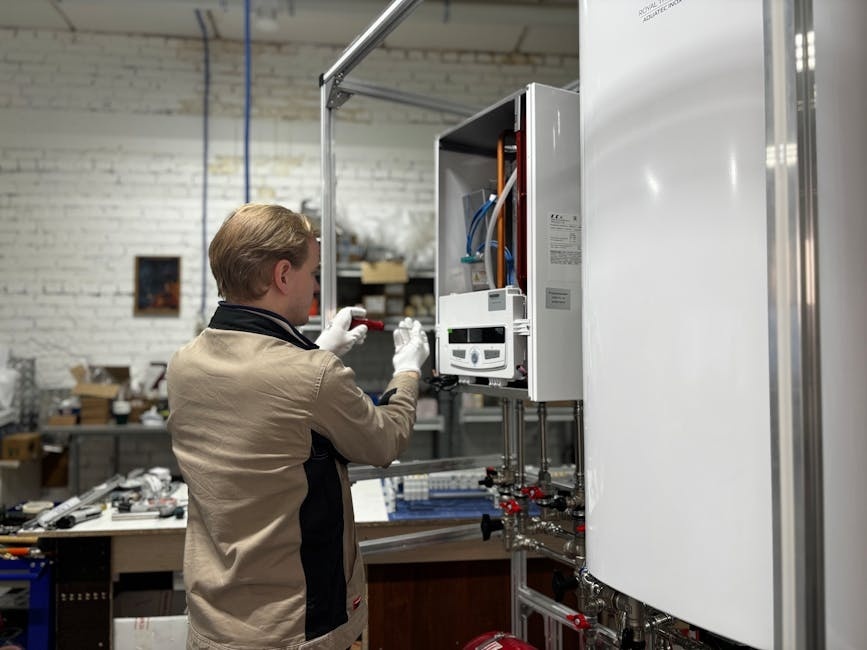
Water leaks come in flavours. A high-pressure spray on a pushed-apart Speedfit elbow above a kitchen ceiling needs immediate isolation and a proper re-make with correct pipe insert and depth mark. A copper pinhole on a 15 mm line to a downstairs WC may be the first sign of aggressive water chemistry or flux corrosion. Lead service pipes do still exist in some older Leicester properties, and while we can crimp a temporary repair in a pinch, the long-term fix is replacement to meet water regulations. Severn Trent can advise on supply-side responsibility, and sometimes part of that upgrade is grant-eligible.
Heating faults also have fingerprints. A boiler that lights for 10 seconds then locks out often points to flame sensing or gas valve modulation issues. A system that takes an hour to get warm on one side of the house may be a balancing problem, a failing pump, or sludge choking radiators. Inhibitor levels, magnetic filter condition, and system cleanliness are not housekeeping details. Sludge is a heat thief. Powerflushing, done correctly with flow reversal and magnetic filtration, can claw back efficiency and restore even heat distribution, though it is not a cure-all for poorly designed pipework.
For drainage, surface clues help. Slow drains at one fixture suggest a local trap or branch blockage. Multiple fixtures backing up points to a stack or external line. Foul odour at a gully after rain can indicate a surcharge or partial collapse. Camera surveys are not only for big jobs; a 20-minute look with a push-rod camera can show fractured terracotta or rat ingress points so we fix the cause, not just the symptom.
The first five minutes: what you can safely do
If you are waiting for a plumber or unsure whether to call, the first few minutes can protect your property. Here is a short checklist that applies to most emergencies.
Find and turn the internal stop tap clockwise until it stops. Common places include under the kitchen sink, in a utility cupboard, or near the front door. If the internal tap fails, check the external stopcock in the pavement box outside your home. For a suspected gas leak, do not operate electrical switches, open windows if safe, extinguish naked flames, and call 0800 111 999. Evacuate if the smell is strong or you feel unwell. For electrics and water together, turn off the relevant circuit at the consumer unit. Do not touch wet cables or light fittings. If water comes through a ceiling, put a container underneath and puncture a small hole in a bulging plasterboard to relieve pressure, but only if the area is safe and you are confident. Isolate problem appliances. Many boilers and washing machines have isolation valves on the flow and return or on supply hoses. Quarter-turn valves sit with the slot parallel for open and perpendicular for closed. Take photos and note times. Insurers often want a clear timeline and images of damage and the root cause. Brief documentation helps you later.Those steps buy you time and give your emergency plumber near me actionable information when they arrive.
Choosing the right local help in a hurry
When water is dripping, people type plumbers near me or plumber near me into a phone with wet hands. Sensible. Yet the first result is not always the best fit. Look for proximity, yes, but also capability. A firm that is genuinely local to Leicester can often be on site faster, and they will know quirks like where outside meter boxes sit on developer estates or how to navigate permit-only parking zones in Clarendon Park. That practical knowledge trims minutes when minutes matter.
There is a difference between a one-person operation and a small team. A solo tradesperson with a well-stocked van can handle a wide range of plumbing repairs, but if your job spans gas diagnostics, drainage jetting, and ceiling repairs, you may need coordinated trades. Ask realistic questions. Do you cover both plumbing and heating? Are your engineers Gas Safe registered for boilers? Do you carry common spares for brand X? Will you provide a written job sheet and invoice with part numbers? Clear answers signal professionalism.
Word of mouth counts. Leicester has active neighbourhood groups and trade recommendations travel. So do red flags. An outfit that promises every service under the sun, quotes a too-good-to-be-true price over the phone without questions, and then applies layers of “extras” on arrival is not cheap plumbing, it is expensive theatre. Balance cost with competence. A cheap plumber Leicester advert is not a guarantee of value if the work needs doing twice. On the other hand, price does not always equal quality. I know tidy, old-school engineers who are fair on price and superb on finish.
No callout charge, fixed fees, and the reality of pricing
You will sometimes see leicester plumber no callout charge in adverts. What does that mean? It usually means you are not billed a separate fee simply for arriving at your door. Instead, time on site, diagnostics, and repairs are charged by the hour or in a fixed first-hour block. Some companies blend this into a minimum charge. Others quote fixed prices for common tasks like replacing a kitchen mixer tap or fitting a new filling loop. Neither model is inherently better. What matters is transparency.
Expect a weekday daytime diagnostic hour in Leicester to sit in a range rather than a single number. Even within that, quality and overheads differ. A well-equipped emergency plumber who answers the phone at 1 a.m., carries insurance, uses manufacturer parts, and offers a 12-month warranty on workmanship has costs that a casual cash-in-hand operator does not. Night rates and weekend surcharges are common for good reason: night work is tough and riskier. If budget is tight, ask about interim makesafe work, such as isolating a faulty zone valve with a temporary bypass so you have hot water until a full repair in working hours.
On parts, I avoid false economies. An OEM diaphragm kit for a Worcester combi may cost more than a generic alternative, but fit and longevity pay back in fewer call-backs. Compression fittings need quality olives. Push-fit elbows require the correct pipe insert type, not a random one. When you hire a professional, you pay for judgement as much as hands.
Heating and hot water: getting warmth back, and keeping it there
Leicester’s housing stock brings a mix of systems. Combi boilers dominate in smaller homes and flats, delivering hot water on demand. System and regular boilers with cylinders remain common in larger or older properties, sometimes with loft tanks. Each has failure modes.
Combi issues often trace to low system pressure, a failed expansion vessel, blocked plate heat exchanger from limescale and magnetite, or sensors like NTCs going out of range. An engineer with a calibrated pressure gauge and a feel for the model can test rather than guess. For example, repeated pressure rise and PRV discharge point to the expansion vessel charge being low or the vessel failing. The fix is to isolate, drain to zero bar, check and recharge the vessel to around 1.0 bar with a pump, and verify that the PRV is sealing. Sometimes, the PRV needs replacing because once lifted, many do not reseal cleanly.
System boilers feed an indirect cylinder. Hot water complaints here can be about motorised zone valves sticking, programmers or smart thermostats misbehaving, or sludge clogging the coil. A mid-position valve that hunts or will not drive to hot water can mimic a cylinder stat fault. I carry common heads for Honeywell, Drayton, and others. The fastest win is often swapping a head, not the whole valve Get more information body.
Frozen condensate remains the winter bogeyman. Routing the condensate internally where possible, increasing pipe diameter to 32 mm externally, using proper fall, and adding insulation around exposed sections help. For persistent problem runs, a trace heating kit with thermostat can be cost-effective over several winters.
Balanced radiators make rooms feel right. You should not need to set a living room TRV to 5 just to feel human. Balancing is not waving a screwdriver randomly. It is measuring temperature drop across radiators, throttling lockshields on the closest rads, and opening more on far runs to achieve a 10 to 12 degree drop across most panels in condensing mode. That helps the boiler condense more, saving gas.
Water leaks and pipework: materials, methods, and judgement calls
Material choice drives repair method. Copper is durable and often the neatest in visible areas. A compact end-feed elbow with a good capillary joint looks better under a Belfast sink than a chunky push-fit. Behind a tiled boxing where access may be future-limited, a high-quality push-fit with the correct insert gives you flexibility if movement occurs. Microbore systems in 8 or 10 mm need gentle handling. Over-tightening a compression nut on thin-wall microbore can deform the pipe and ensure it leaks later. Knowing when to support a run with clips, allow for expansion, and avoid thermal stress points comes with practice.
I see many DIY compression joints with twice the required PTFE tape on the olive. Tape does not seal a compression joint; even pressure on a clean olive and seat does. On threads designed to seal, such as certain male iron fittings, tape or jointing compound is appropriate. Mixing those up creates callbacks.
Lead supply lines crop up in older Leicester streets. You can spot the dull grey, soft pipe entering the property. While we can adapt from lead to copper with a proper WRAS-approved fitting for a temporary measure, the goal should be full replacement to modern MDPE from the boundary. Severn Trent maintains the main and often has a say on the external stopcock and meter. Inside, your stop tap and all internal pipework are your responsibility. Proper planning avoids days without water.
Ceiling leaks need source tracing, not just bucket changes. Water travels. A bathroom leak that shows over the hallway light might be from the shower waste one metre away. Dye testing, moisture meters, and opening a small exploratory hole in the right place beat ripping down whole sections blindly. In rental properties with frequent tenant turnover, I see the same culprits: loose bottle trap connections, perished bath waste seals, and overflows connected to nothing at all from a poor refit. Gentle education helps. A laminated sheet on how to close a shower door and avoid pouring mop buckets into a basin pays off.
Bathrooms, kitchens, and appliance hook-ups
Minor fittings can cause major bother. A 15-year-old dual-flush cistern with a split flush valve seal will intermittently refill and overflow down the back, wasting water quietly. Modern drop-in valve kits from Fluidmaster and others make quick work of many cisterns, but some concealed frames need specific parts. A decent van stock includes common donut washers, flush buttons, and fill valves in both bottom and side entry.
Kitchen taps are a frequent weekend phone call. A single-lever mixer dripping at the spout after years of use usually needs a new cartridge. Some brands supply serviceable cartridges; others are proprietary. If you want a like-for-like quick change, send a pre-visit photo so we bring the correct part. Washing machine and dishwasher installs look simple, but cold feeds, standpipes, and waste connections all have rules. A standpipe that is too low or a trapped hose that forms a permanent loop will cause siphoning or backflow. Correct height, air breaks, and anti-syphon valves prevent drama.
Macerators such as Saniflo units solve layout problems but demand respect. They hate wipes, cotton buds, and too much descaler. Servicing them in student HMOs around Narborough Road requires honesty with tenants about what not to flush, and ideally a small notice above the loo in multiple languages.
Unvented cylinders and safety
Unvented hot water cylinders deliver excellent pressure and flow, but they are not DIY territory. The G3 Building Regulations cover installation and maintenance. A competent person should service expansion vessels, check pressure-reducing valves, and test discharge safety devices annually. The tundish should remain dry in normal operation and its route should be visible. If you ever see constant dripping at the tundish, do not ignore it. A failed expansion vessel or debris on a PRV seat can lead to dangerous pressure conditions if left.
I have traced lukewarm hot water to a failed blender valve on unvented systems, and to scaled secondary return lines on bigger properties. Scale in Leicester’s hard water areas is not academic. A cylinder coil furred with limescale transfers heat poorly. An annual check and occasional descaling pay for themselves.
Drainage and blockages
Outside, I know the feel of a stuck interceptor trap on older properties. Your gully may hide an interceptor with a tight bend that catches wipes and fatbergs. A proper set of rods with the right heads, or a jetter where access allows, clears most domestic blockages. If we see repeated blockages at the same point, a quick CCTV look with a 50 mm head often finds a displaced joint or broken section. Rats exploit displaced joints. A simple one-way valve installed in the right place and repairs to a broken pipe solve repeat invasions.
Indoors, trapped gulley smells often trace to dry traps. Infrequently used showers or utility room floor drains evaporate their seal. Pour water into the trap, add a teaspoon of cooking oil to slow evaporation, and the smell stops. Design matters here too. A washing machine hose rammed into a standpipe without a proper seal invites smells and leaks. A neat, compliant connection looks boring and saves headaches.
Emergency versus scheduled service: which to choose when time is thin
Sometimes you have a choice, and sometimes you do not. If your heating works but the boiler makes a new noise, or your basin drains slowly, you can book a scheduled visit. If you have live water dripping through a light, you do not wait. The trade-off is price and pressure.
- Emergency response brings speed and focus. We prioritise making safe, preventing damage, and restoring essential services. It may cost more per hour and may use a temporary repair to stabilise the situation overnight. Scheduled work gives us time to order exact parts, plan tidy pipe runs, and coordinate with other trades. It is often cheaper and the finish can be neater because we are not fighting the clock. Hybrid options exist. We can isolate and cap a leaking bath tap tonight, and return with the customer’s chosen tap and matching valves tomorrow in working hours. Communication decides the path. Tell your engineer your constraints: budget, timescales, tenant needs. A good Leicester plumbing and heating firm will map a plan that fits.
That simple framework prevents surprises and aligns expectations.
Aftercare and preventive maintenance
Emergencies are vivid, but prevention lives quietly in the background. Annual boiler services, inhibitor checks, and visual inspections of visible pipework do not glamorise well on social media, yet they are the backbone of a healthy system. In hard water areas of Leicester, a scale reducer on the cold feed to a combi’s plate heat exchanger reduces limescale accumulation. It is not a substitute for a water softener, but it helps. If you run a cylinder, a periodic descaling of the coil and inspection of the anode where applicable keep performance sharp.
Lag pipes in lofts and garages before frost. Loft tanks on old vented systems deserve a proper lid and insulation, with gaps around the ball valve to avoid condensation. If your condensate line runs outside, insulate it and ensure the fall is continuous to avoid freezing water sitting in dips. Smart thermostats can be helpful, but do not let the system cycle constantly for the sake of graphs. Learn your house’s thermal inertia. A steady setpoint can be kinder to both boiler and wallet.
Landlords, build a simple schedule: annual Gas Safe checks, six-monthly visual checks for leaks under sinks, a quick test of smoke and CO alarms at each visit, and a tenant guidance sheet. Clear contacts for emergencies, including rules such as “for gas smell, call 0800 111 999 first,” reduce panic and costs.
Coverage and response across Leicester
A practical emergency plumber covers where customers actually live and work. My typical day may start with a no-heat call in Braunstone, swing to a leak in Evington, then on to a blocked kitchen gully in Beaumont Leys. I try to group jobs geographically when they are not emergencies. For true emergencies, proximity decides the responder: someone on shift in Birstall gets the Thurmaston call; an engineer finishing in Glenfield detours to Groby; an Oadby job pulls from Wigston or Knighton. That is the value of a genuinely local team rather than a national call centre.
Parking and access in Leicester deserve a note. Many streets in Clarendon Park and along Saffron Lane have resident-only hours. If you can, flag parking restrictions when you call. Move pets to a safe room, especially nervous cats and dogs. If the stop tap is hidden behind cleaning supplies under the sink, a minute to clear space before we arrive saves time. Little things make big differences in emergencies.
Real cases and what they taught
One frosty February morning, my phone pinged at 6:10 a.m. A family in Hamilton had a combi showing an EA fault and no heat. The tenant had already boiled kettles trying to thaw a condensate pipe outside, creating slick ice on the patio. We did two things differently from the obvious. First, we isolated power, inspected the flue and combustion before any restart. Second, we rerouted the condensate into an internal waste with a proper air break, then insulated the short external section with 19 mm Armaflex and ensured 3 degrees of fall. The boiler ran, and more importantly, it stayed running when the temperature dropped that night. Quick fix meets lasting fix.
At midnight on a Saturday, a call came from a landlord near the city centre: water through a living room light, young professionals in panic, smoke alarm chirping from the damp. On site, the smell told a story: not raw sewage, but stale bathwater. We killed power to the circuit, opened the smallest possible hole in the ceiling with a jab saw, and found the bath waste had never been tightened after a cosmetic refit months earlier. A new trap, a proper silicone seal around the waste, and a written note to the landlord with photos. They opted for a plasterer on Monday. Cost contained, safety first, transparency in writing.
Another day, a high-efficiency boiler in a large home in Stoneygate kept over-pressurising. The homeowner had bled radiators repeatedly without result. The expansion vessel Schrader valve hissed water, not air. The internal vessel had failed. We installed a correctly sized external expansion vessel with an isolation valve and service tee, recharged to 1.0 bar, replaced the PRV that had been passing, and dosed inhibitor. The system stabilised at 1.3 bar hot. A neat bracket and tidy pipework are not just pretty, they ease future servicing and protect the investment.
When a cheap fix costs more later
I understand the appeal of typing cheap plumber Leicester when money is tight. Sometimes you will find a gem who is building a reputation and charges modestly. Other times, the job looks cheap because the scope is narrow. I have been called to leaks where a previous “repair” wrapped self-amalgamating tape around a pinhole and painted over it. That tape can be a temporary makesafe if used intentionally, but not a repair on a primary circuit under constant heat cycling. I have inherited combis with off-brand fans or seals that never quite fit, causing combustion imbalances that trip safety devices. The bill for setting that right dwarfs the savings.
Ask for a simple warranty on workmanship. A reputable plumber will stand behind their work for a defined period. Ask for invoices with part numbers. If someone refuses to list the actual parts used, consider why. Price is a factor, but clarity and competence make up the rest of value.
How to prepare for a visit and make the most of time on site
Small preparations speed up diagnostics. Write down the boiler make and model, and if you can find it, the GC number on the data plate. Note the times faults occur. For intermittent issues, video of a boiler display or the sound a pump makes helps. Clear access to loft hatches, airing cupboards, and under-sink spaces. If your property is alarmed, have codes handy. If parking is tricky, suggest the nearest legal bay. These niceties shave minutes and show up on your invoice as less time billed.
If we need parts, decisions matter. Authorise a safe, temporary cap or bypass tonight, then a return visit with exact parts tomorrow in working hours, and you save night-rate hours. If you want to choose a new tap or shower, measure centre distances and supply types so you buy a compatible item. For tenants, get landlord approval early to avoid delays, especially where gas appliances are involved.
What you should expect from a professional visit
At the door, an introduction, visible ID, and overshoes or dust sheets. A clear explanation of the plan: make safe, diagnose, agree scope and price range, proceed. During the job, honest commentary without technobabble unless you ask for details. Upon completion, demonstration where relevant: hot taps run, radiators heat, boiler shows stable pressure, drains clear and gully tested. A written job sheet or electronic invoice with time, parts, and any follow-up recommendations. If we find unrelated but urgent issues, such as a flue joint with signs of leakage, we stop and discuss at once. Safety outranks speed.
Engineers differ in style. Some speak in paragraphs; others fix quietly. What should not vary is respect for your home and time, and a professional approach to both plumbing and heating systems. That is the standard a Leicester plumbing and heating service should hold.
A note on parts availability and brand ecosystems
Leicester’s merchants carry good stock, but brand ecosystems matter. Vaillant, Worcester Bosch, Ideal, Baxi, and Viessmann all have local part pipelines. Some boutique brands look great on a brochure and strand you when a sensor fails on a Sunday. If uptime matters to you, choose a mainstream boiler with local spares and trained engineers. The same logic applies to taps and showers. A stylish imported mixer without UK support becomes landfill when it drips.
For older properties, keep a small parts box: a spare fill valve for a commonly failing cistern, a pack of fibre washers, and a labelled note of stop tap locations. Landlords can save a fortune on callouts for minor issues by equipping tenants with a little knowledge and a plunger that actually works.
Safety, compliance, and paperwork without the headache
Nobody wakes up craving paperwork, but the right documents protect you. For gas, keep the annual Gas Safe record. For unvented cylinders, hold the Benchmark log with service entries. If we do a powerflush, you receive a record of flow rates, before-and-after magnetite levels, and inhibitor dosing. For drainage, a CCTV survey with stills and a simple map turns guesswork into a plan. If a repair touches structural or regulated elements, such as flues or notifiable electrical work, expect building control notifications as needed. A mature firm handles this without drama.
Semantic clarity matters too. Gas Safe engineer - holds - valid competencies. Unvented cylinder - requires - G3 certification. Landlord - must provide - annual gas safety record. Consumer - benefits from - transparent pricing. Boiler - operates best with - clean system water and correct settings. These truths are unglamorous and reliable.
When to call, and what to say
If you are at the stage of searching local plumbers near me, be ready with the essentials. Address with postcode. Nature of issue in a sentence: water leaking under kitchen sink, hot water intermittent on combi, smell of gas near meter, upstairs toilet overflowing, outside drain backing up. Any vulnerability in the household. Access constraints. A photo or two sent by message helps more than you think, especially of the boiler data plate or the suspect fitting. Good communication shrinks response times.
If you smell gas or suspect carbon monoxide, call 0800 111 999 first. For water main leaks outside your boundary, contact Severn Trent. For power and water mixing, treat electrics with respect and isolate the circuit. Beyond that, a capable, Gas Safe registered emergency plumber near me in Leicester will meet you halfway, bring the right tools, and get you back to normal.
Plumbing and heating look simple when everything behaves. The craft shows when it does not. When pipes weep or boilers sulk, speed, skill, and safe decisions carry the day. Whether you need rapid help tonight or a planned upgrade next month, choose competence, ask for credentials, and expect clear, tidy work. That is how you turn a bad hour into a good outcome and keep your home warm, dry, and safe.
Local Plumber Leicester – Plumbing & Heating Experts
Covering Leicester | Oadby | Wigston | Loughborough | Market Harborough
0116 216 9098
[email protected]
www.localplumberleicester.co.uk
Local Plumber Leicester – Subs Plumbing & Heating Ltd deliver expert boiler repair services across Leicester and Leicestershire. Our fully qualified, Gas Safe registered engineers specialise in diagnosing faults, repairing breakdowns, and restoring heating systems quickly and safely. We work with all major boiler brands and offer 24/7 emergency callouts with no hidden charges. As a trusted, family-run business, we’re known for fast response times, transparent pricing, and 5-star customer care. Free quotes available across all residential boiler repair jobs.
Service Areas: Leicester, Oadby, Wigston, Blaby, Glenfield, Braunstone, Loughborough, Market Harborough, Syston, Thurmaston, Anstey, Countesthorpe, Enderby, Narborough, Great Glen, Fleckney, Rothley, Sileby, Mountsorrel, Evington, Aylestone, Clarendon Park, Stoneygate, Hamilton, Knighton, Cosby, Houghton on the Hill, Kibworth Harcourt, Whetstone, Thorpe Astley, Bushby and surrounding areas across Leicestershire.
Google Business Profile:
View on Google Search
About Subs Plumbing on Google Maps
Knowledge Graph
Latest Updates
Follow Local Plumber Leicester:
Facebook |
Instagram

Visit @subs_plumbing_and_heating on Instagram
Gas Safe Boiler Repairs across Leicester and Leicestershire – Local Plumber Leicester (Subs Plumbing & Heating Ltd) provide expert boiler fault diagnosis, emergency breakdown response, boiler servicing, and full boiler replacements. Whether it’s a leaking system or no heating, our trusted engineers deliver fast, affordable, and fully insured repairs for all major brands. We cover homes and rental properties across Leicester, ensuring reliable heating all year round.
❓
Q. How much does a plumber cost in Leicester?
A. The cost of hiring a plumber in Leicester typically ranges from £70 to £120 per hour depending on the type of work required. Smaller plumbing repairs such as fixing a leaking tap, replacing pipe fittings, or resolving pressure issues may cost between £80 and £200. More complex jobs involving heating systems or major plumbing repairs can range from £150 to £400.
❓
Q. When should I call an emergency plumber in Leicester?
A. You should contact emergency plumbers in Leicester if you experience urgent plumbing issues such as burst pipes, major water leaks, blocked drains, or a complete loss of heating or hot water. Emergency plumbing problems can quickly cause property damage if not addressed, so it is important to have a qualified plumber inspect and repair the issue as soon as possible.
❓
Q. What plumbing services do plumbers in Leicester usually provide?
A. Most plumbers in Leicester provide a wide range of plumbing and heating services including leak detection, pipe repairs, radiator repairs, boiler diagnostics, blocked drain clearance, and general plumbing repairs. Many plumbing companies also provide emergency plumbing services to deal with urgent issues that cannot wait.
❓
Q. Why do plumbing repairs need to be carried out quickly?
A. Plumbing problems can worsen quickly if ignored. A small leak or pressure issue can eventually lead to pipe damage, water damage, or mould growth within the property. Carrying out plumbing repairs early helps prevent more expensive problems and keeps your plumbing system working efficiently.
❓
Q. Can I find a cheap plumber in Leicester without sacrificing quality?
A. Many homeowners look for a cheap plumber in Leicester who still offers reliable service and professional workmanship. The best approach is to compare reviews, check qualifications, and request a clear written quote before work begins. A reputable plumber should offer fair pricing while maintaining high standards of plumbing repairs and customer service.
❓
Q. What are the most common plumbing problems in UK homes?
A. The most common plumbing issues include leaking taps, damaged pipework, blocked drains, low water pressure, faulty radiators, and heating system faults. These problems are often caused by ageing plumbing systems, worn components, or debris build up within pipes.
❓
Q. What qualifications should a professional plumber have?
A. A qualified plumber should have recognised plumbing training such as NVQ Level 2 or Level 3 in Plumbing and Heating. If the work involves boilers or gas appliances, the engineer must also be Gas Safe registered. Checking qualifications ensures the plumber is trained to carry out plumbing and heating work safely.
❓
Q. What does Leicester plumbing and heating services include?
A. Leicester plumbing and heating services typically include pipe repairs, leak detection, radiator repairs, boiler servicing, heating system diagnostics, and general plumbing maintenance. These services help ensure water systems, heating systems, and drainage systems operate efficiently within a property.
❓
Q. Do some plumbers in Leicester offer no callout charges?
A. Yes, some companies advertise a Leicester plumber with no callout charge. This means the plumber will attend and assess the issue without charging a separate attendance fee, and you only pay for the plumbing repairs carried out. This can be beneficial when you need a plumbing problem inspected before deciding on the repair work.
❓
Q. How can I prevent plumbing problems in my home?
A. Preventing plumbing issues involves regular maintenance such as checking for leaks, maintaining proper water pressure, and addressing minor plumbing repairs before they become more serious. Periodic inspections of pipework, heating systems, and drainage can help keep plumbing systems working efficiently and avoid unexpected breakdowns.
What does Subs Plumbing & Heating Ltd Do?
Subs Plumbing & Heating Ltd provides plumbing services in Leicester
Subs Plumbing & Heating Ltd delivers Leicester plumbing and heating services
Subs Plumbing & Heating Ltd specialises in plumbing repairs
Subs Plumbing & Heating Ltd offers emergency plumbers in Leicester
Subs Plumbing & Heating Ltd operates as local Leicester plumbers
Subs Plumbing & Heating Ltd provides cheap plumber Leicester solutions
Subs Plumbing & Heating Ltd repairs burst pipes
Subs Plumbing & Heating Ltd fixes leaking taps
Subs Plumbing & Heating Ltd resolves low water pressure issues
Subs Plumbing & Heating Ltd clears blocked drains
Subs Plumbing & Heating Ltd replaces damaged pipework
Subs Plumbing & Heating Ltd carries out general plumbing repairs
Subs Plumbing & Heating Ltd resolves toilet and cistern faults
Subs Plumbing & Heating Ltd repairs pipe leaks and water leaks
Subs Plumbing & Heating Ltd resolves water pressure problems
Subs Plumbing & Heating Ltd installs bathroom plumbing systems
Subs Plumbing & Heating Ltd installs kitchen plumbing systems
Subs Plumbing & Heating Ltd installs taps, sinks and pipe fittings
Subs Plumbing & Heating Ltd restores heating and hot water systems
Subs Plumbing & Heating Ltd diagnoses heating system faults
Subs Plumbing & Heating Ltd repairs radiators not heating properly
Subs Plumbing & Heating Ltd resolves hot water supply problems
Emergency plumbers Leicester repair urgent plumbing problems
Plumbing repairs prevent property water damage
Leicester plumbing and heating services maintain safe water systems
Professional plumbers improve plumbing system reliability
Cheap plumber Leicester services provide cost effective plumbing repairs
Leicester plumber no callout charge services support transparent pricing
Local Area Information for Leicester, Leicestershire